
Cryptoassets and HMRC: Why Now May Be the Time to Review Your Tax Position
- October 6, 2026
- Posted by: Best4business Team
- Categories: Crypto, News, Tax
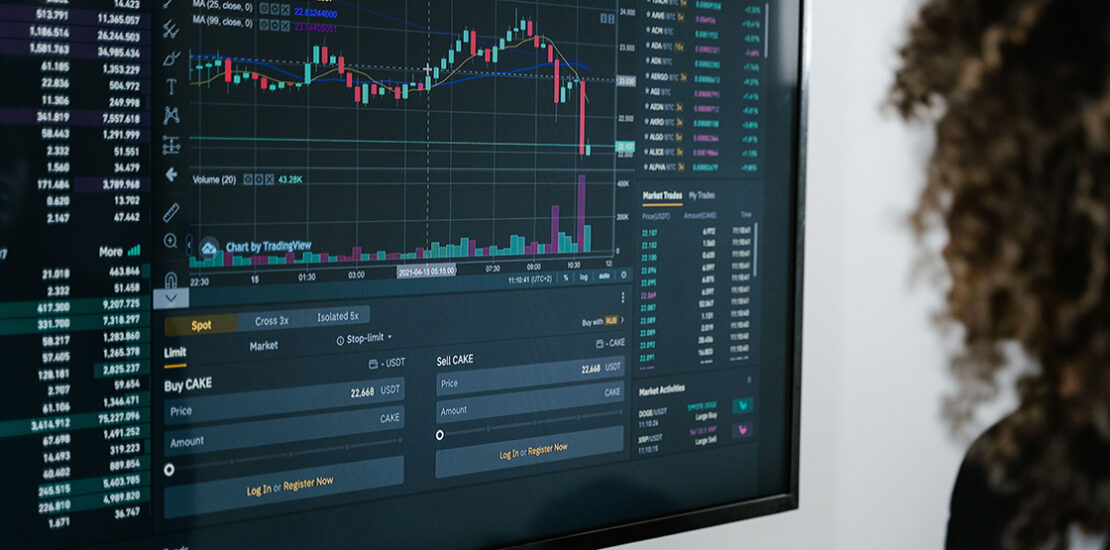
HMRC is set to receive significantly more information about UK cryptoasset users as new international reporting requirements come into effect. For individuals who have previously bought, sold, exchanged, mined, staked or otherwise received cryptoassets, this makes it increasingly important to understand whether all relevant income and gains have been correctly reported.
With new international reporting requirements also coming into effect, individuals with historic cryptoasset activity may wish to review their position before HMRC identifies any discrepancies.
HMRC’s visibility of cryptoassets is increasing
The UK is implementing the OECD’s Crypto-Asset Reporting Framework (CARF), an international reporting standard designed to improve the exchange of information about cryptoasset transactions between tax authorities.
Under CARF, relevant cryptoasset service providers will be required to collect information about their users and certain transactions and report this information to tax authorities.
For UK taxpayers, this means HMRC is expected to have access to considerably more information about cryptoasset activity than it has historically.
The first reporting period under the UK rules covers the 2026 calendar year, with reporting to HMRC beginning in 2027. This increased flow of information may make it easier for HMRC to identify cases where reported tax returns do not appear consistent with an individual’s cryptoasset activity.
For anyone who has previously traded or received cryptoassets but is unsure whether their tax position is correct, this provides a good reason to review their affairs.
When can cryptoassets give rise to tax?
A common misconception is that tax only becomes relevant when cryptocurrency is converted into pounds.
In reality, the tax treatment depends on what you do with the cryptoasset.
For individuals investing in cryptoassets, Capital Gains Tax may arise when a cryptoasset is:
- sold or exchanged for traditional currency;
- exchanged for another cryptoasset;
- used to purchase goods or services.
Importantly, exchanging one cryptocurrency for another can therefore constitute a disposal for Capital Gains Tax purposes even though no pounds or other traditional currency have been received.
The calculation of gains can also become complicated where an individual has made a large number of transactions. HMRC’s share matching and pooling rules can affect how the allowable cost of cryptoassets is calculated.
Cryptoassets can also be subject to Income Tax
Not all cryptoasset activity falls within the Capital Gains Tax regime.
Depending on the circumstances, Income Tax and potentially National Insurance contributions may arise where cryptoassets are received through activities such as:
- mining;
- staking;
- certain airdrops;
- lending or other cryptoasset activities; and
- employment or self-employment where remuneration is received in cryptoassets.
Where cryptoassets are received as income and subsequently disposed of, there may also be a separate Capital Gains Tax consideration on any subsequent increase or decrease in value.
The precise treatment depends on the nature of the activity and the circumstances in which the cryptoassets were received.
Why can cryptoasset tax calculations be difficult?
Cryptoasset tax reporting can become particularly complicated where an individual has used several exchanges, wallets or platforms over a number of years.
A taxpayer may have hundreds or thousands of transactions involving:
- purchases and sales;
- transfers between wallets;
- exchanges between different tokens;
- staking or mining rewards;
- airdrops;
- transaction fees; and
- transfers between different cryptoasset platforms.
Establishing the correct tax position may therefore require historic transaction data to be collected and reconciled.
This can be particularly challenging where an exchange account has been closed, historic statements are unavailable, or the taxpayer has not retained sufficient records.
It is also important to distinguish transfers between wallets owned by the same individual from disposals. Moving cryptoassets between your own wallets will not generally constitute a disposal, although appropriate records should still be maintained to establish the ownership and cost of the assets.
What records should you keep?
HMRC expects taxpayers to retain sufficient records to support their cryptoasset tax calculations.
Depending on the circumstances, useful records may include:
- the type and quantity of each cryptoasset;
- the date and time of each transaction;
- the sterling value at the time of the transaction;
- details of the wallets and exchanges used;
- transaction and platform fees;
- records of transfers between wallets; and
- information showing how cryptoassets were acquired or received.
Good records are particularly important where an individual has undertaken a large number of transactions.
Where records are incomplete, it may still be possible to reconstruct the historic position using information from exchanges, wallets and other available records. However, this can be time-consuming and should be approached carefully.
What if previous crypto income or gains were not reported?
If you have previously undertaken cryptoasset transactions and believe that income or gains may not have been reported correctly, it is generally better to address the position proactively rather than wait for HMRC to raise an enquiry.
Depending on the circumstances, a voluntary disclosure may provide a route to correcting historic tax errors.
This can involve:
- identifying the tax years affected;
- obtaining and reviewing historic transaction records;
- determining whether transactions give rise to Income Tax or Capital Gains Tax;
- calculating the tax and interest due;
- considering any applicable penalties; and
- making the appropriate disclosure to HMRC.
The correct disclosure route will depend on the circumstances, including the nature and extent of the undeclared income or gains and whether HMRC has already contacted the taxpayer.
The penalty position can also depend on factors such as whether the error was careless or deliberate, whether the disclosure was prompted or unprompted, and the quality of the taxpayer’s disclosure and cooperation.
Don’t wait until your records become harder to obtain
With HMRC’s access to cryptoasset information expected to increase, reviewing historic cryptoasset activity sooner rather than later can have practical advantages.
For example, exchange records may become more difficult to obtain as accounts are closed or platforms change their record-retention arrangements. Identifying the transactions and reconstructing the tax position can also become increasingly difficult as more time passes.
A review can help establish whether there is actually a tax liability, provide reassurance where the position has been correctly reported, or identify issues that need to be corrected.
How we can help
If you have previously invested in or traded cryptoassets and are unsure whether your UK tax position is correct, we can help you review your circumstances and determine what action may be required.
Our advice can include reviewing historic cryptoasset activity, identifying potential Income Tax and Capital Gains Tax liabilities, assisting with the reconstruction of transaction records and, where appropriate, helping you make a voluntary disclosure to HMRC.
-

Tax Due Diligence: Identifying Tax Risks Before You Acquire a Business
Acquiring a business is a significant investment, and understanding its tax position is an important…
October 26, 2026 -

Loan Charge Settlement Scheme
HMRC have introduced a new Loan Charge Settlement Scheme following the Government’s response…
October 26, 2026 -

Key Tax Considerations Before You Relocate Overseas
Relocating overseas can offer exciting opportunities, whether you are seeking a different…
October 26, 2026